
Upgrading from Console to Gaming Laptop (2026)
Console gamers eyeing a gaming laptop face the big questions: is PC gaming worth the complexity? What do I actually gain? And which laptop makes the transition painless? Honest answers inside.
The console-to-laptop upgrade guide for 2026.
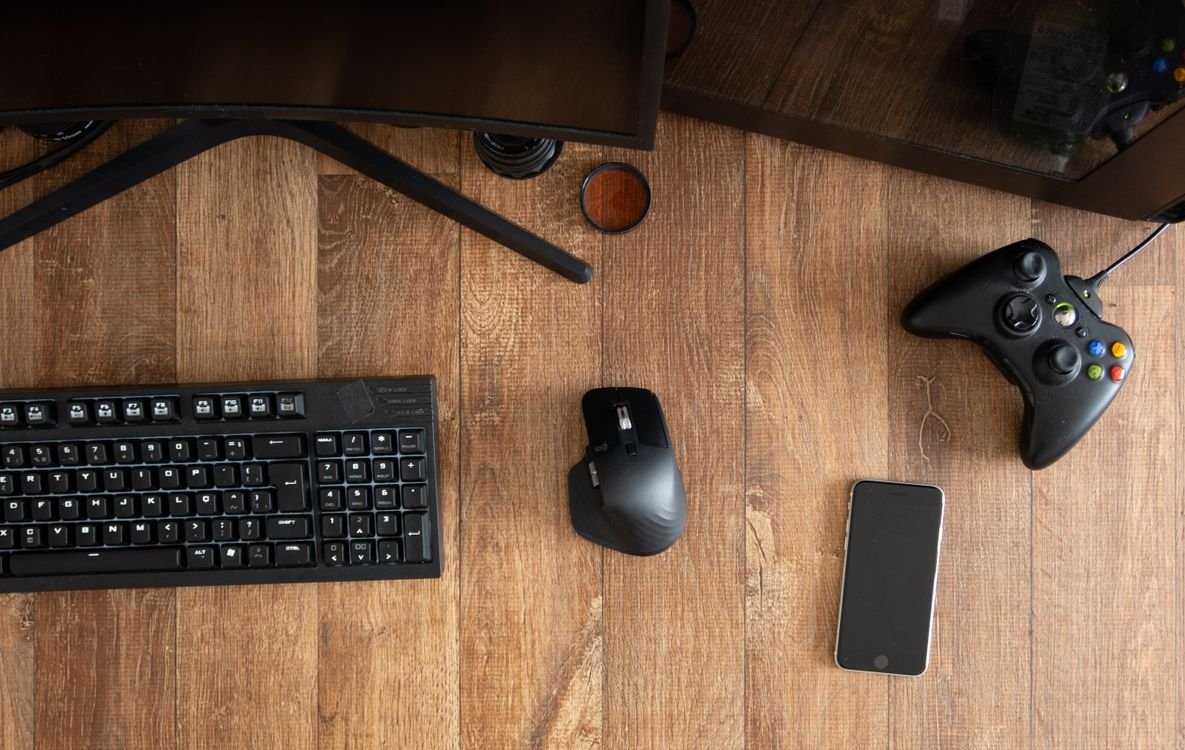
Illustrative stock photo (Pexels / Unsplash)
Console vs laptop: the honest trade
What you gain: performance (a £1,400 laptop outperforms consoles in most titles), visuals (higher settings, higher frame rates, ultrawide support), choice (Steam's library dwarfs any console store, sales are deeper), versatility (work, study, creation — not just gaming), and Game Pass (the same subscription, now with PC).
What you lose: simplicity (drivers, settings, launchers, troubleshooting), uniformity (every PC is different), and the sofa (laptops are portable, but the console's lean-back ease is unmatched). The trade is real — be honest about which you value.
The ideal upgrade: Legion Pro 5i
The Legion Pro 5i (~£1,400) is the ideal console-upgrade machine: RTX 5070 Ti performance that leaves consoles behind, a 1440p 165Hz display that shows the difference, and refinement that eases the transition. It is the "I get it now" laptop.
The Legion's professional design also helps — it does not scream "gaming PC" to sceptical partners or parents. The performance does the convincing.
The budget upgrade: LOQ 15
The LOQ 15 (~£1,100) is the budget upgrade path: RTX 5070 performance that matches or beats consoles, at a price that makes the experiment low-risk. If you are unsure about PC gaming, start here.
The LOQ's value proposition for console gamers: try PC gaming properly for £1,100. If you love it, upgrade later; if not, you still own an excellent laptop.
Making the transition painless
Transition tips: get Xbox Game Pass Ultimate (your existing subscription likely covers PC — hundreds of games instantly), use a controller (the Xbox controller is native on Windows — no relearning), start with familiar games (play your console favourites at better settings), and learn the settings menus gradually (Digital Foundry's optimised settings are the shortcut).
The culture shock fades in weeks. The performance advantage lasts years.
The controller: the familiarity
The controller: the familiarity — the Xbox controller (the PC — the native — the seamless); the PlayStation (the DualSense — the PC — the supported); and the transition (the controller on PC — the comfort — the bridge).
The controller truth: the PC welcomes the controller — the Xbox (the plug-and-play); the PlayStation (the Steam Input — the configured). The console gamer (the controller — the muscle memory — the preserved); the PC (the choice — the controller or the mouse — the freedom). The transition (the familiar — the controller — the comfort); the expansion (the mouse — the precision — the discovery). The controller is the bridge — the console gamer crosses comfortably.
The exclusives: the PlayStation on PC
PlayStation on PC: the ports (the God of War, the Horizon, the Spider-Man — the PlayStation Studios — the PC); the timing (the 1–2 years later — the patience); and the experience (the PC — the better — the fps, the mods).
The exclusives reality: the PlayStation exclusives come to PC (the trend — the ports — the eventual); the Xbox (the day-one — the Game Pass — the PC); and the Nintendo (the never — the Switch — the separate). The console upgrader (the PlayStation games — the PC — the patience rewarded); the library (the Steam — the sales — the value). The exclusives are the bridge — the PC gets them eventually. The waiting is the price — the experience is the reward.
The setup: the TV to desk
The TV to desk: the transition — the display (the TV — the big — the desk — the monitor); the distance (the sofa — the 3m — the desk — the 60cm); and the setup (the laptop — the monitor — the peripherals).
The setup transition: the space (the desk — the dedicated — the ergonomics); the display (the 27-inch — the 1440p — the upgrade); and the comfort (the chair — the posture — the hours). The console gamer (the sofa — the casual — the comfort); the PC gamer (the desk — the focused — the performance). The transition (the space — the investment — the commitment); the reward (the fps — the precision — the experience). The desk is the transformation — the setup is the dedication.
The sale library: the switcher's backlog
The switcher's library is the Steam sale: the backlog (the built — the cheap — the vast); the exclusives (the waited — the ported — the played); and the free (the Epic — the weekly — the claimed). The console library stays; the PC library grows — the Steam sales build the collection for the pounds. The switcher's backlog is the excited — the years of deals, the accessed.
The library method: the wishlist (the built — the sale — the notified); the patience (the 75% — the waited — the bought); and the joy (the backlog — the vast — the played). The PC gaming's open secret is the prices — the switcher discovers the sales. The library grows; the wallet survives.
The squad survives: the cross-play friends
The switcher's friends are the cross-play: the games (the supported — the together — the played); the Discord (the voice — the free — the joined); and the platforms (the bridged — the united — the fun). The console friends stay the friends — the cross-play keeps the squad. The switcher doesn't lose the crew — the games unite.
The cross-play method: the games (the checked — the supported — the chosen); the accounts (the linked — the carried — the progress); and the voice (the Discord — the downloaded — the talked). The platform is the changed; the friendships are the kept. The squad survives the switch.
The familiar start: the switcher's settings
The switcher's settings are the familiar: the preset (the console — the equivalent — the started); the tweaks (the gradual — the learned — the personalised); and the discovery (the Ultra — the available — the revelled). The console equivalent settings are the starting — the PC's Ultra, the discovered. The switcher starts familiar — the 30fps console, the 120fps PC.
The settings method: the match (the console — the Digital Foundry — the replicated); the push (the gradual — the tested — the raised); and the marvel (the Ultra — the 120fps — the converted). The settings journey is the revelation — the familiar start, the glorious end. The switcher discovers the Ultra.
Buying advice for switchers
Console-gamer buying rules: do not overspend on the first machine (£1,100–£1,500 is the transition bracket), prioritise the display (the visual upgrade is the point), get Game Pass (the content bridge), and keep the console (for exclusives and the sofa).
Check the live price — and remember: the best upgrade is the one that gets played. Buy the laptop, keep the controller, enjoy both worlds.
Frequently Asked Questions
Should I switch from console to gaming laptop?
What laptop should a console gamer buy?
Is Game Pass worth it on PC?
What do I need besides the laptop?
Sources & further reading
Related Reading

First Gaming Laptop Buyer's Guide UK (2026)
First gaming laptop buyer's guide UK 2026 — what beginners need to know, the best first laptops (LOQ 15, Legio…
Read →
Console vs Gaming Laptop in 2026
Console vs gaming laptop in 2026 — honest comparison of performance, total cost, game libraries, simplicity an…
Read →
Xbox Game Pass on Gaming Laptops: The 2026 Guide
Xbox Game Pass on gaming laptops 2026 — Ultimate vs PC tier compared, the game library, value maths, and getti…
Read →