
Best 144Hz Gaming Laptops in the UK (2026)
144Hz is the sweet spot: smooth enough for serious gaming, affordable enough for every budget, and mature enough that panel quality is excellent. In 2026, 144Hz remains the smart choice for most players.
These are the best 144Hz gaming laptops for UK buyers.

Illustrative stock photo (Pexels / Unsplash)
Why 144Hz is the sweet spot
144Hz in 2026: the baseline for gaming laptops, available from £750 (RTX 5060 machines) to £1,200 (RTX 5070). The 60Hz→144Hz jump is the biggest smoothness upgrade in gaming — everything after is diminishing returns.
The 144Hz buyer's advantage: mature panels (good brightness, colour and response), lower prices (the premium goes to the GPU instead), and perfect pairing with mid-range GPUs (5060/5070 deliver 144fps at 1080p in most titles).
Lenovo LOQ 15: the 144Hz default
The LOQ 15's 144Hz display pairs with RTX 5060/5070 graphics — typical UK prices £800–£1,200 — for the definitive 144Hz gaming experience. Lenovo's panel quality is good: decent brightness, reasonable colour.
The LOQ is the 144Hz default: the right GPU, the right panel, the right price. For 1080p high-refresh gaming, it is all most players need.
Acer Nitro V 16 AI: 16-inch high refresh
The Nitro V 16 AI offers 165Hz (effectively the 144Hz class) with RTX 5070 graphics — typical UK prices £1,000–£1,200 — for 16-inch 144Hz+ gaming at sharp prices.
The Nitro suits buyers who want the bigger screen with their high refresh — 16 inches of smooth gaming for barely more than 15-inch rivals.
MSI Crosshair 16 HX: 144Hz performance
The Crosshair 16 HX pairs 144Hz with RTX 5070 graphics and an HX-series CPU — typical UK prices £1,100–£1,200 — for 144Hz gaming with desktop-class processing.
The Crosshair is the 144Hz performance pick: the HX CPU ensures high frame rates in CPU-bound titles, keeping the 144Hz panel fed. For strategy and simulation gamers, it is ideal.
144Hz versus 60Hz: the visible difference
144Hz versus 60Hz: the visible difference — the motion (the 144Hz's clarity — the 60Hz's blur — the immediate); the responsiveness (the 7ms versus 17ms — the feel); and the conversion (the 144Hz user cannot return — the 60Hz feels broken).
The upgrade experience: the first hour (the noticeable — the smoothness); the first day (the normal — the adaptation); and the return (the 60Hz — the broken — the irreversible). The 144Hz is the threshold — the gaming standard — the minimum for the serious. The 60Hz laptop in 2026 is the compromise — the 144Hz is the baseline. The difference is not subtle — it is the transformation. The 144Hz convert is forever.
The 144Hz GPU pairing: the matches
The 144Hz GPU pairing: the RTX 5060 (the 1080p 144Hz — the esports — the comfortable); the RTX 5070 (the 1080p 240Hz / 1440p 144Hz — the versatile); and the CPU (the high-fps needs the CPU — the HX for the 240Hz+ — the H for the 144Hz). The pairing rule (the GPU must deliver the frames — the 144Hz panel without the 144fps is the waste).
The honest pairings: the 5060 + 1080p 144Hz (the budget esports — the perfect); the 5070 + 1440p 144Hz (the sweet spot — the balanced); and the mismatch (the 5090 + 1080p 144Hz — the overkill — the GPU idles). The panel and the GPU are the pair — the balance is the performance. The 144Hz panel deserves the 144fps — the GPU must provide. Match them — the harmony is the experience.
144Hz for creators: the smooth canvas
144Hz for creators: the smooth canvas — the timeline scrubbing (the smooth — the precise); the canvas panning (the fluid — the comfortable); and the general (the UI — the responsive — the pleasure). The creator's 144Hz (the 1440p 144Hz — the resolution and the smoothness — the balanced).
The creative benefit: the smoothness reduces the fatigue (the hours — the comfort); the responsiveness improves the flow (the interaction — the creativity); and the gaming (the after-hours — the bonus). The 144Hz creator laptop is the dual-purpose — the work smooth, the play smooth. The 60Hz creator panel is the compromise — the 144Hz is the quality of life. The canvas should be smooth — the creativity flows.
The UFO test: verifying 144Hz clarity
The 144Hz buyer's test is the UFO: the Blur Busters (the test — the online — the free); the pursuit (the camera — the followed — the photographed); and the truth (the ghosting — the revealed — the known). The 144Hz panel's overdrive is the tested — the UFO shows the smear. The buyer who tests knows — the 144Hz is the verified, not the claimed.
The UFO method: the test (the run — the observed — the compared); the overdrive (the adjusted — the Normal — the optimal); and the satisfaction (the clean — the confirmed — the enjoyed). The 144Hz without the ghosting is the true — the UFO is the lie detector. The 2 minutes tests; the years reward.
The smooth canvas: the creator's 144Hz
The 144Hz creator's canvas is the smooth: the timeline (the scrubbed — the fluid — the precise); the panning (the glided — the comfortable — the long); and the fatigue (the reduced — the hours — the kind). The 144Hz for the creator is the ergonomics — the smooth interaction, the less strain, the longer sessions. The canvas smoothness is the health — the 8 hours demand it.
The canvas method: the refresh (the set — the maximum — the verified); the scaling (the comfortable — the 125% — the readable); and the habit (the enjoyed — the daily — the appreciated). The creator's 144Hz is the dual-purpose — the work smooth, the play smooth. The smooth canvas is the productive canvas.
The 2028 baseline: the 144Hz kept
The 144Hz buyer's 2028 is the standard: the 2026 (the bought — the sweet spot — the enjoyed); the years (the 2 — the smooth — the daily); and the 2028 (the baseline — the everywhere — the rewarded). The 144Hz bought in 2026 is the 2028's minimum — the sweet spot, the lasting. The buyer bought the standard — the 2028, the still.
The 2028 method: the keep (the panel — the maintained — the calibrated); the GPU (the fed — the 144fps — the enough); and the enjoy (the smooth — the years — the daily). The 2028 standard is the 2026's 144Hz — the bought, the kept. The 2028 is the smooth.
Buying for 144Hz
144Hz buying rules: prioritise panel quality over refresh rate (a good 144Hz panel beats a bad 240Hz one), match the GPU to the panel (5060/5070 for 144Hz), and consider 144Hz the default — only pay for more if you play competitively.
Check the live price — 144Hz machines are the volume sellers with the most frequent deals. The sweet spot is real: enjoy it.
Frequently Asked Questions
What is the best 144Hz gaming laptop?
Is 144Hz enough for gaming?
Should I buy 144Hz to save money?
What GPU pairs with 144Hz?
Sources & further reading
Related Reading
Best 165Hz Gaming Laptops in the UK (2026)
The best 165Hz gaming laptops in the UK for 2026 — the mainstream high-refresh sweet spot on the Legion Pro 5i…
Read →
Best 240Hz Gaming Laptops in the UK (2026)
Best 240Hz gaming laptops UK 2026: thirteen verified models from £1,749 to £5,500 compared, plus honest advice…
Read →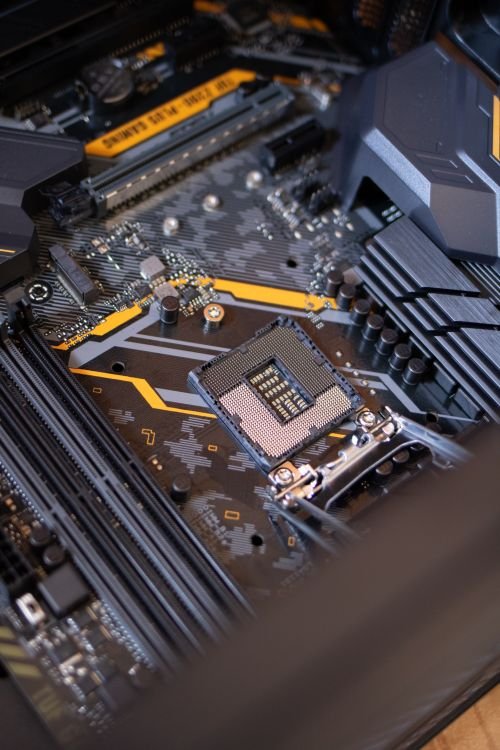
Best RTX 5060 Gaming Laptops in the UK (2026)
The best RTX 5060 gaming laptops in the UK for 2026 — budget 50-series machines under £1,000 with DLSS 4, comp…
Read →